Quiz
¿Cuál es el estadio de fútbol con la mayor capacidad de espectadores en Latinoamérica?

¿Cuál es el estadio de fútbol con la mayor capacidad de espectadores en Latinoamérica?
suaz Western Australian Spider Orchids
Eight-inch petals dancing in the breeze! (Ooh, in the breeze!) Swaying in the wind to do what they please! (Yeah, do what they please!)
retolam1221 Solo los campeones mundiales y los jefes de Estado pueden tocar la copa original de la FIFA.

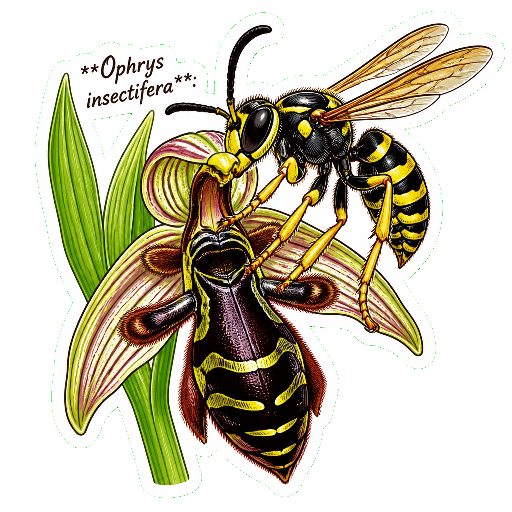
suaz This orchid's duck-shaped head swings down to trap insects for pollination.
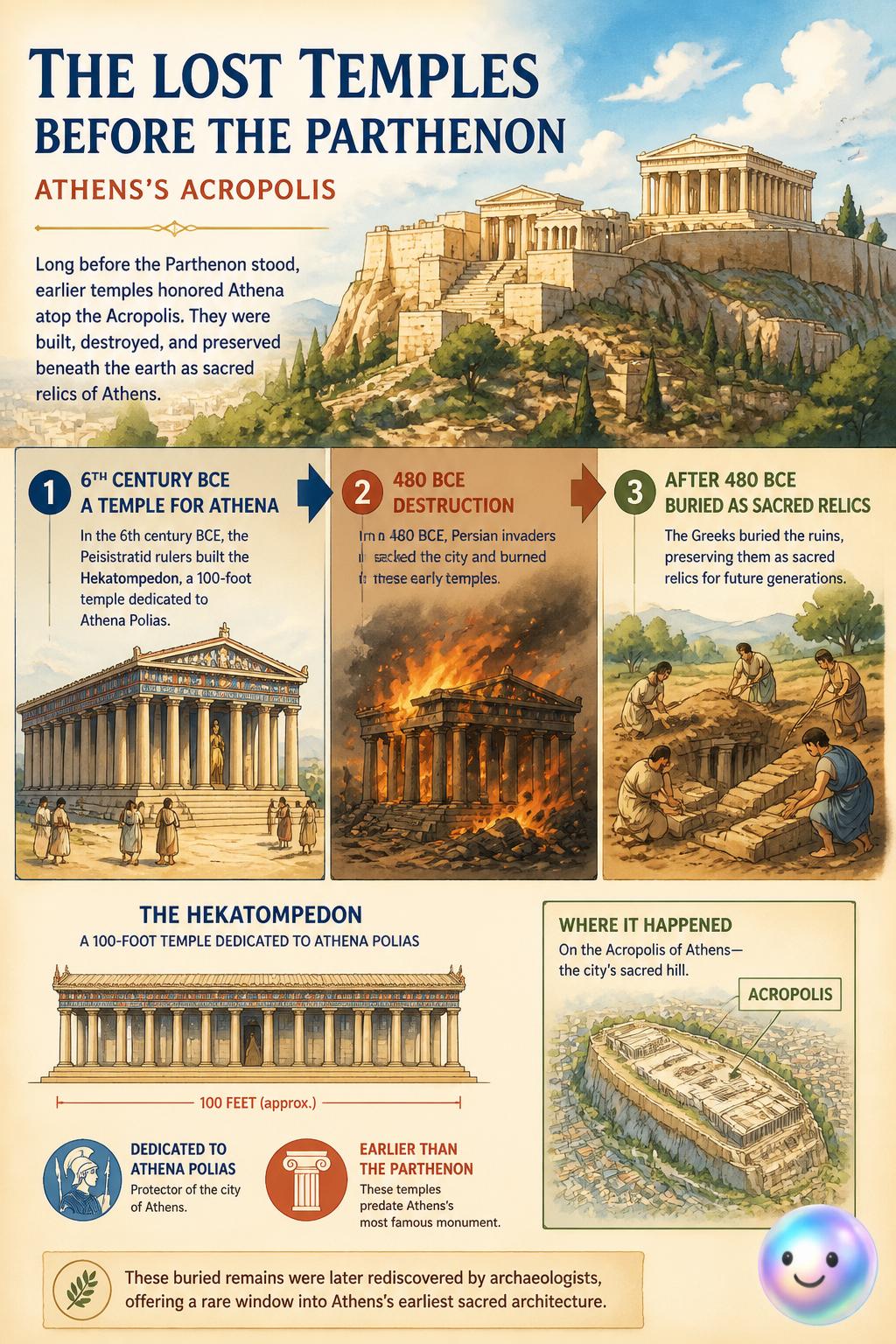
diego Long before the famous marble temples, older structures occupied the sacred summit.
Acropolis translation: The word 'Acropolis' comes from the Greek words 'akron' (highest point) and 'polis' (city), literally meaning 'high city' or 'citadel on the hill'.
Which god challenged Athena for the patronage of the city on the Acropolis?
puedes hacer un juego popular Miss cantan monstruos estos son los elementos❄️⚡🔥⚙️
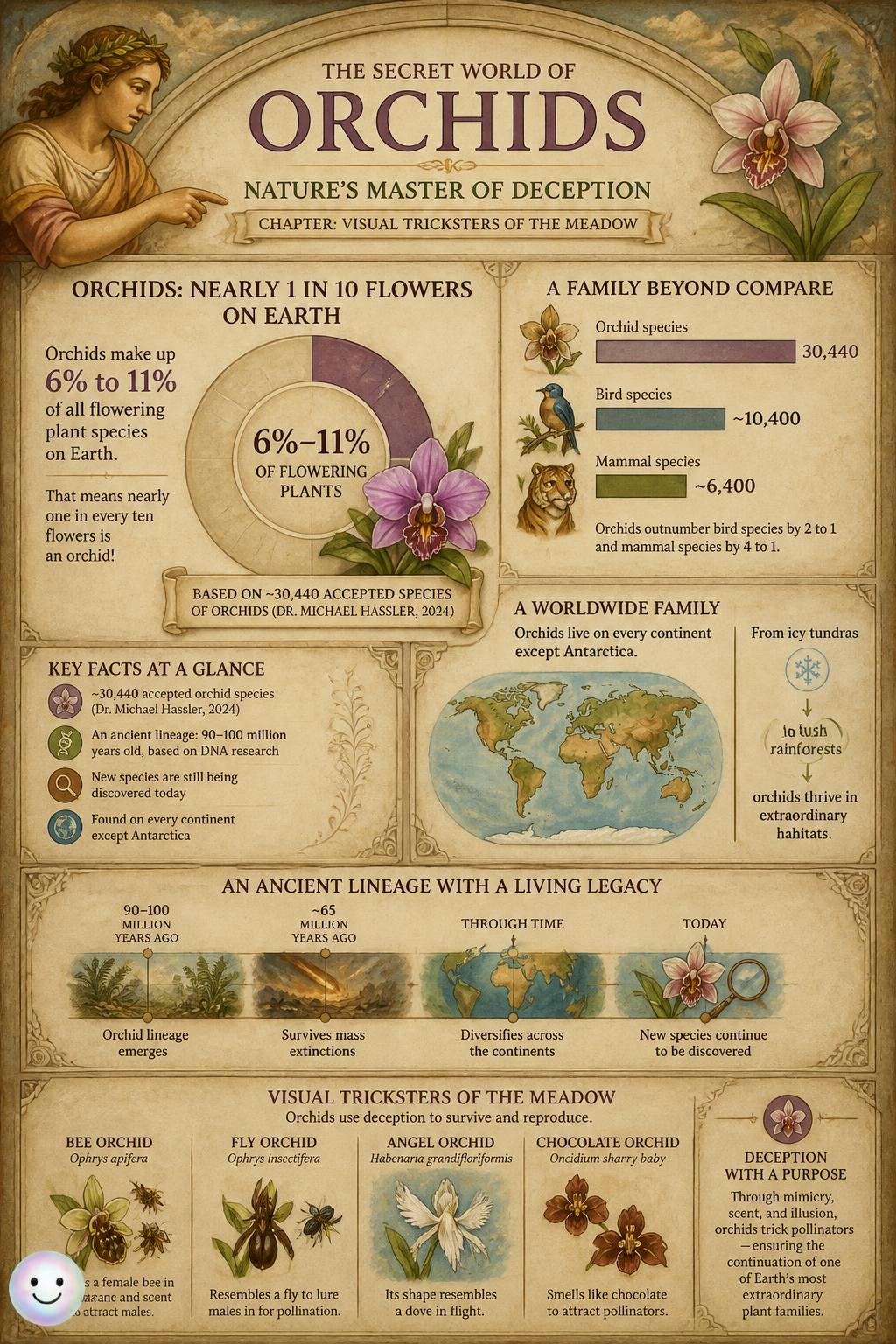
suaz I had no idea that almost ten percent of all flower species are orchids!
Sticky pollinia: Deceptive meadow orchids use visual tricks to lure bugs, gluing these specialized, gluey pollen packets onto fooled insects.
What does the word 'Acropolis' literally translate to in Greek?
Project completed!
Soy Maestro de El fenómeno global de BTS

¿Deberían los perros tener vacaciones pagadas junto a sus dueños?

juju0421 Aunque comparte nombre con el panda gigante, el panda rojo pertenece a su propia familia evolutiva exclusiva.
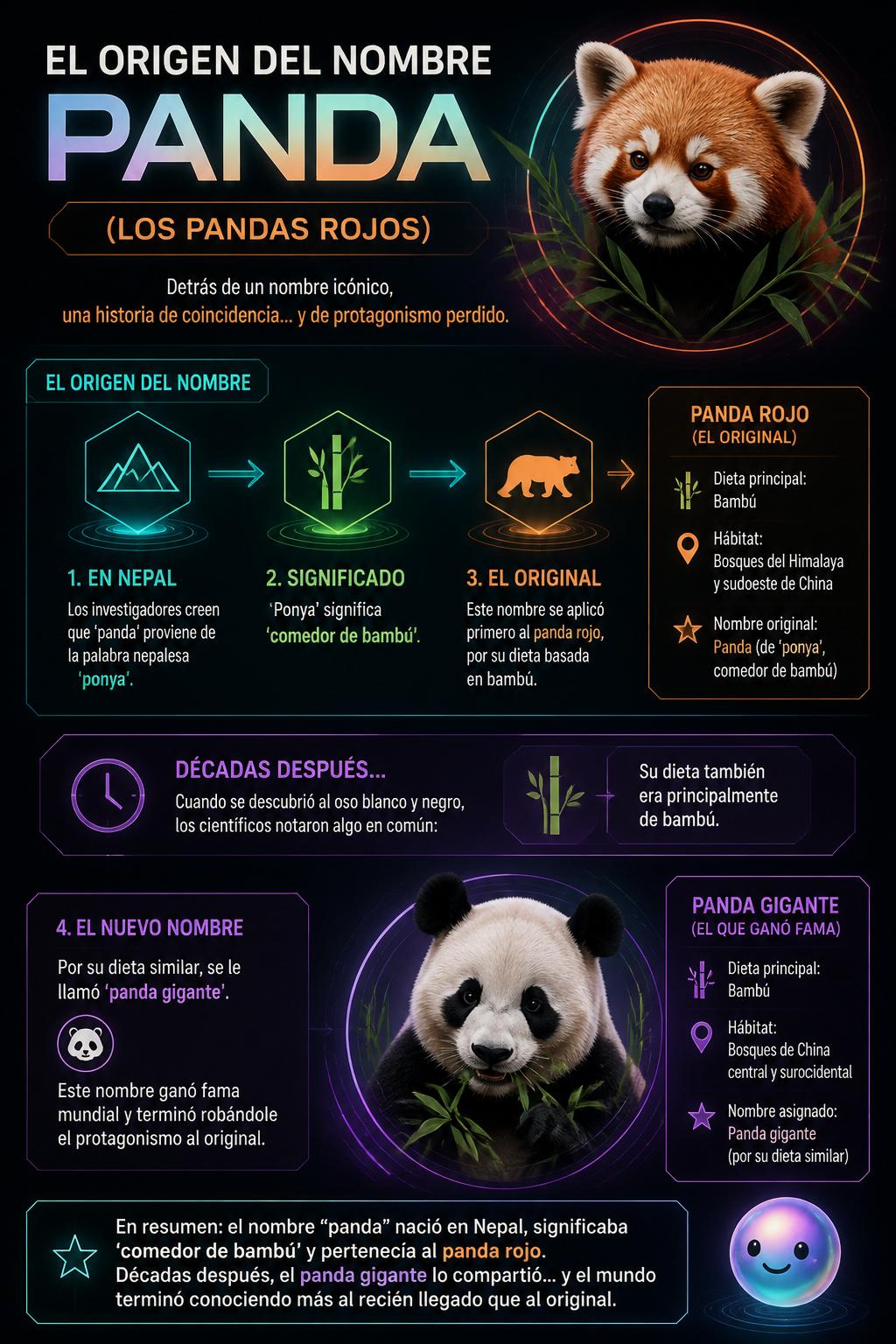
juju0421 La palabra 'panda' se usó primero para este pequeño acróbata pelirrojo del Himalaya.
El nombre original: Frédéric Cuvier describió al panda rojo en 1825 como el mamífero más bello del planeta, llamándolo Ailurus fulgens, que significa gato brillante.