Fun Fact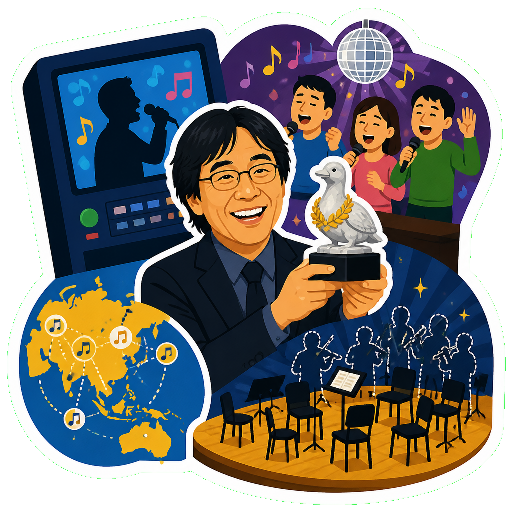
Karaoke's Peace Prize: Daisuke Inoue won the 2004 Ig Nobel Peace Prize because his "empty orchestra" invention offered a hilarious, harmonious way for people to tolerate each other.

16 friends

Monster Science

Botana chilanga

The world of Max Ernst

Ramen lo-fi

The bioluminescent kitchen

Tamales

CowParade

Cézanne

Toledo
Matisse
Diseño mexicano

Monet

Tomates

Arte hidrofóbico

Crayons

Tate Modern
The Beatles

Eleven Madison
Fuji

Video Directors

BTS

Gorillaz

Parras

Konbini

Pastor

Mercados flotantes

Grunge

Sushi
Tamayo

Pokémon

BTS

Japón

Zara
Street Snacks

Amberes

Webtoon

Comida rápida

Potatoes
Bas

Guacamole

Quesos

Gastronomía

Fungi

Albers

Frutas

Flechazo

Tesoros

Duchamp

Korean
Karaoke's Peace Prize: Daisuke Inoue won the 2004 Ig Nobel Peace Prize because his "empty orchestra" invention offered a hilarious, harmonious way for people to tolerate each other.
streetspirit The Empty Orchestra
Just a backing tape for a client on a trip, now we're singing with the empty orchestra!
A 1956 orchestra strike sparked "karaoke"—Japanese for "empty orchestra."
streetspirit Drummer Daisuke Inoue and his unpatented Juke backing machine
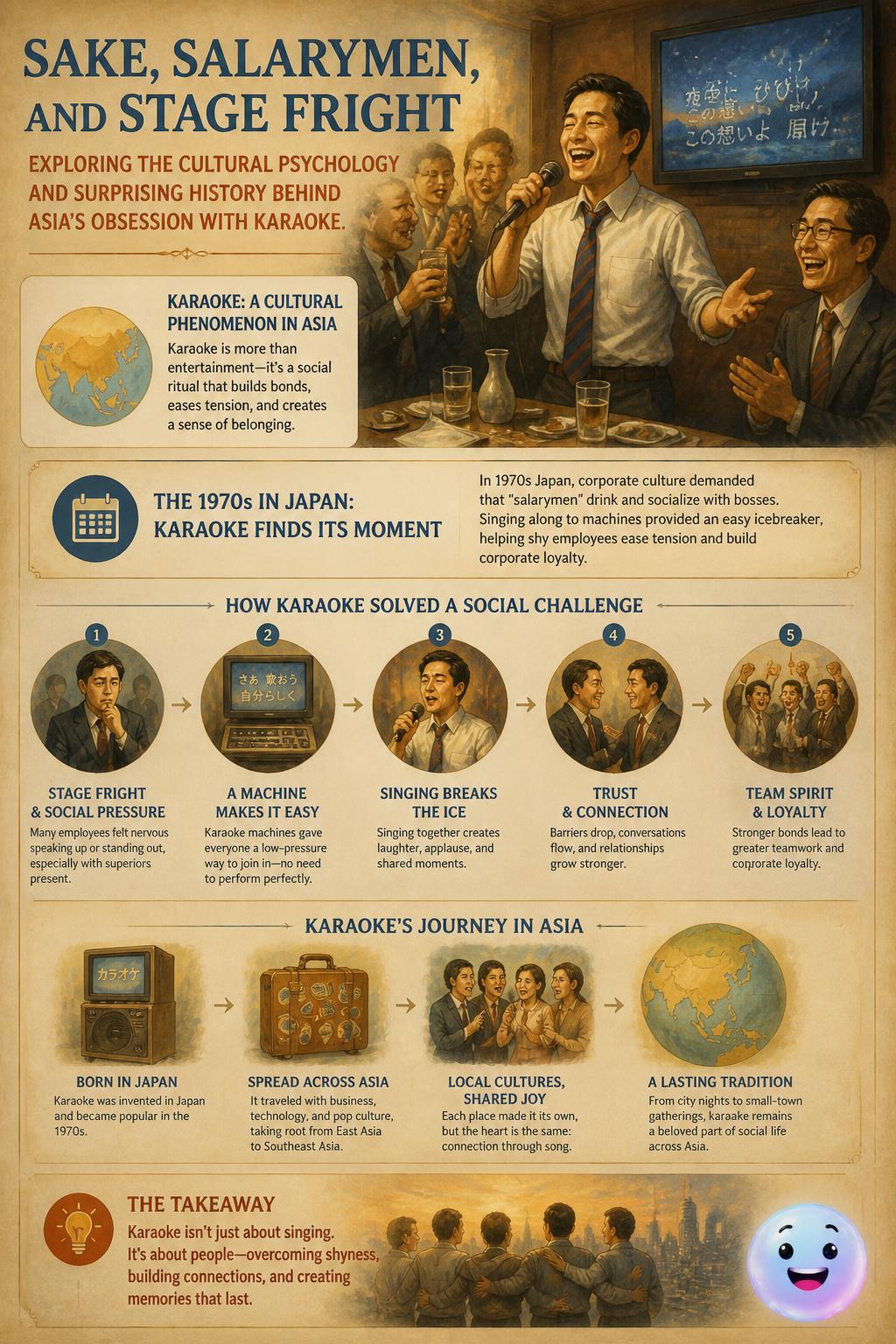
streetspirit Early karaoke helped Japanese businessmen overcome intense social anxiety after work.
Word origin: The word 'karaoke' was coined in 1956 when a Japanese theater group's orchestra went on strike and a machine filled in [1].
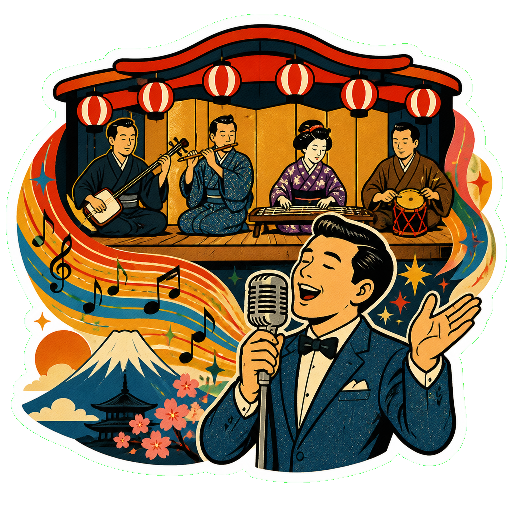
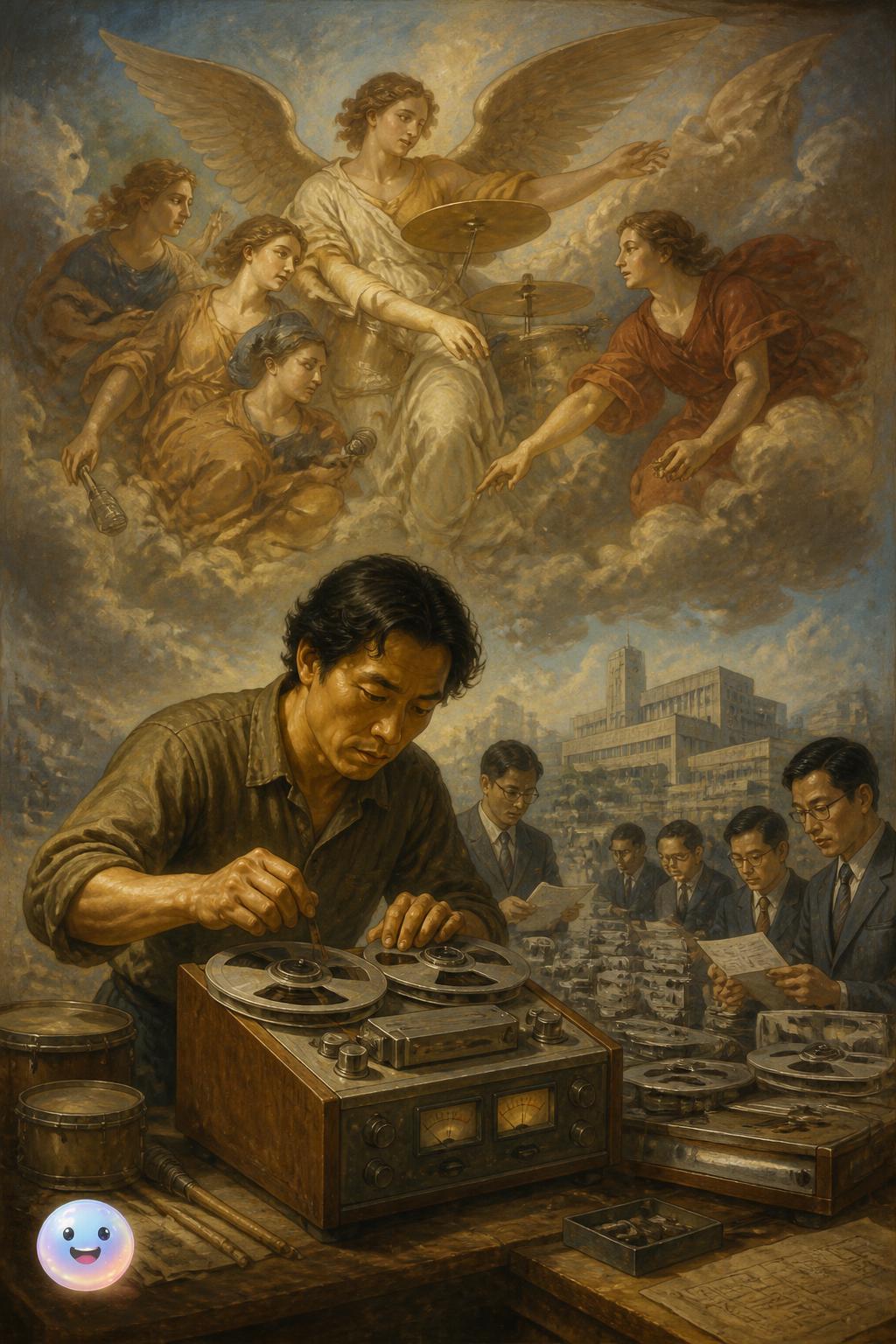
streetspirit A Japanese musician invented the first karaoke machine but missed out on billions.
In which decade did the first commercial karaoke machines appear in Japan?
What is the ultimate vibe killer in a karaoke session?

streetspirit Tap the lyrics in time to discover how karaoke became Asia's favorite social escape.
streetspirit How singing machines helped Japanese salarymen bond with their bosses
What award did Daisuke Inoue receive in 2004 for inventing karaoke and teaching people to tolerate each other?
streetspirit The origin of the Japanese word karaoke
Before machines were invented, what did Japanese 'utagoe kissa' (singing cafes) use to guide singers?
streetspirit The evolution of home music formats from cassette tapes to laser discs
In which Japanese city did Daisuke Inoue invent the first karaoke machine?
Why did Japanese inventor Daisuke Inoue miss out on making billions from his karaoke machine?
What does the Japanese word 'karaoke' literally translate to in English?
What was the original medium used to store and play songs in the earliest 1971 karaoke machines?
Which electronics company introduced LaserDisc karaoke in the 1980s, adding lyrics to TV screens?
streetspirit The Global Printing Race
Printed first, printed first, Korea did it seventy years before!
Storing capital letters above small ones changed how we describe letter sizes.
streetspirit Johannes Gutenberg invented a secret metal alloy for his printing press.
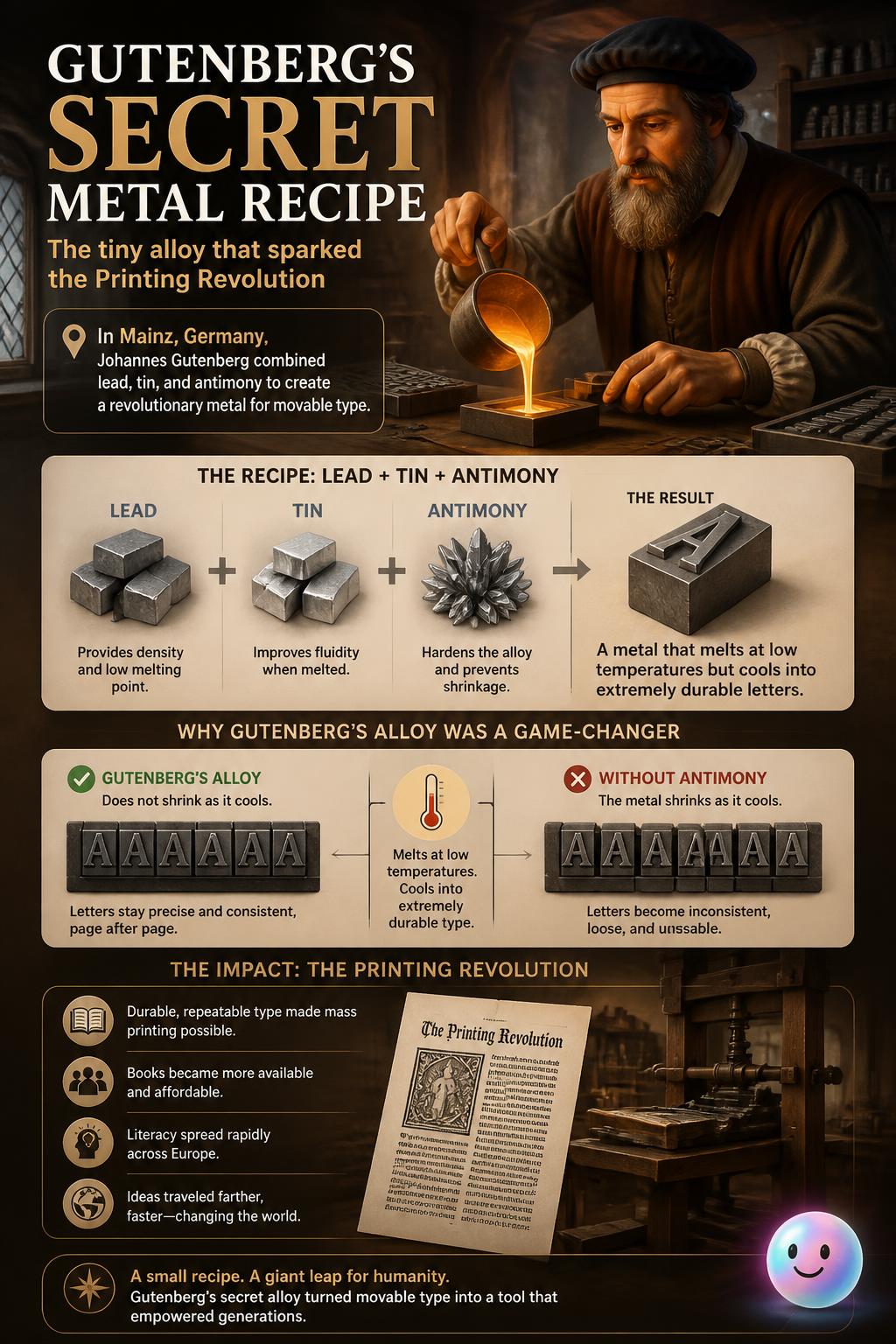
streetspirit In 1450, Johannes Gutenberg perfected a secret metal alloy that made mass-producing books in Europe possible.
Ancient metal type: The world's oldest surviving book printed with movable metal type was produced in Korea in 1377, decades before Gutenberg.
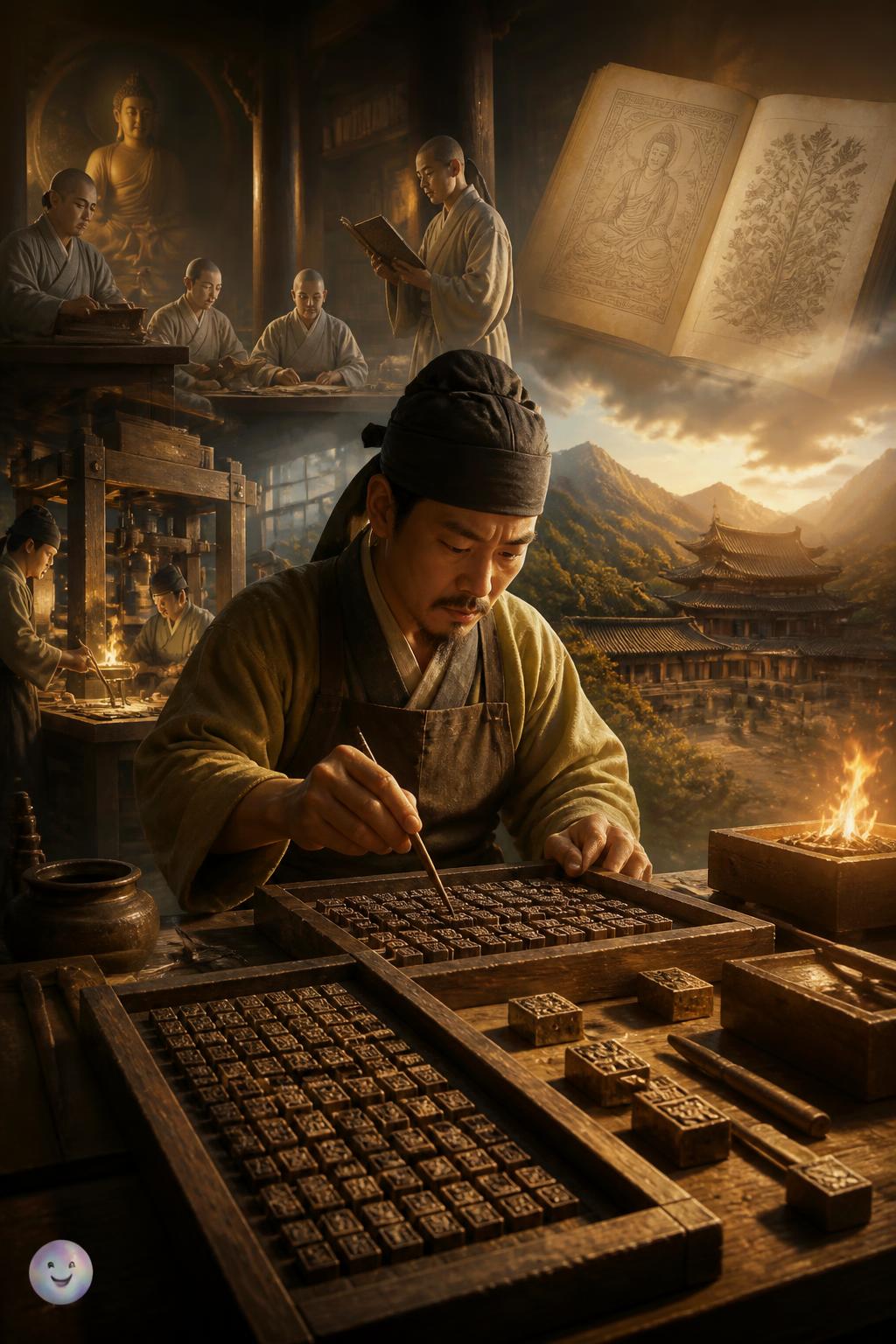
streetspirit In 1377, Korean monks printed the Jikji, the world's oldest surviving book made with movable metal type.
Which three metals did Johannes Gutenberg combine to create his revolutionary printing alloy?
Which printing era would you visit?
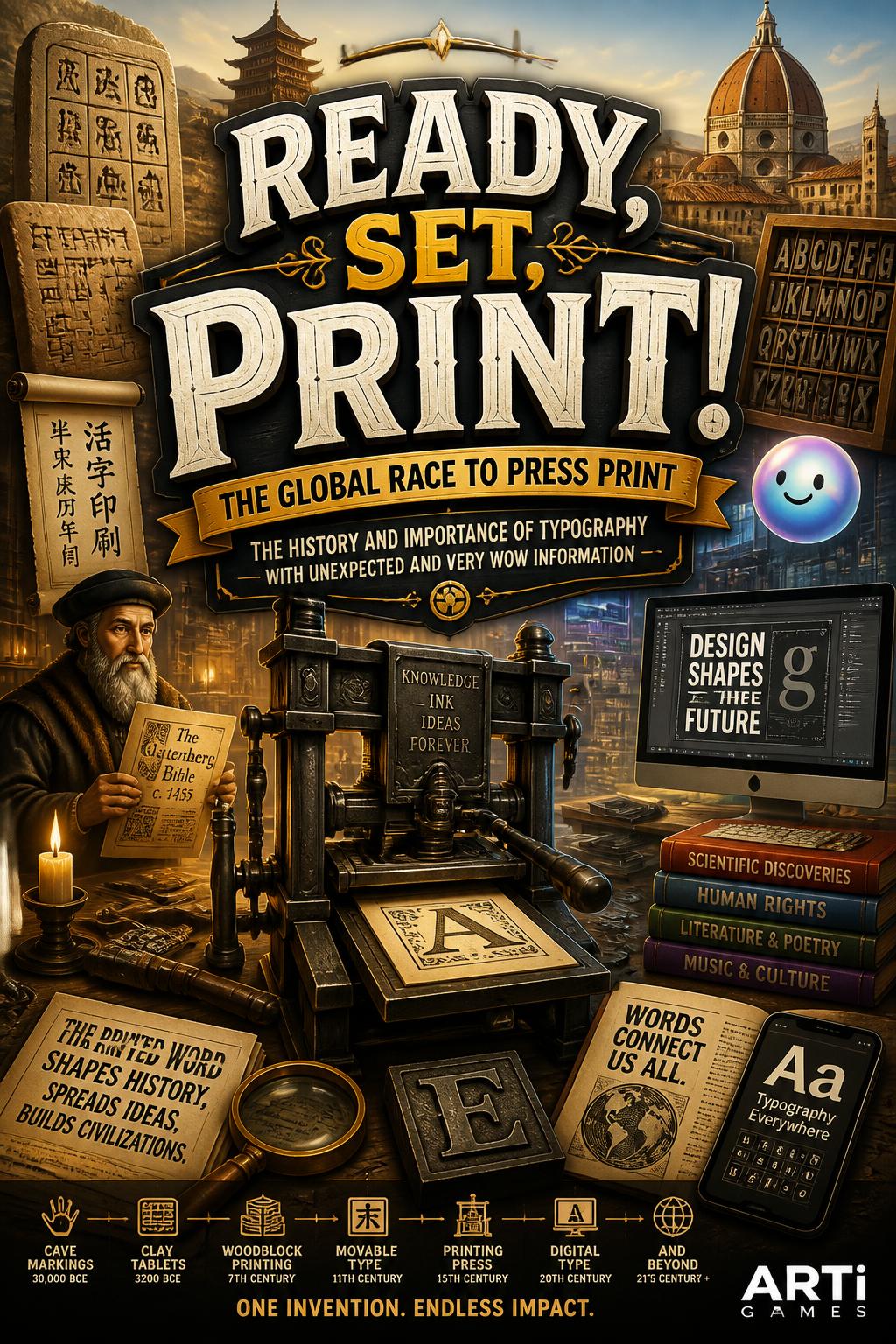
streetspirit Arrange the metal letters to discover how typography secretly shapes the way we think.
streetspirit Bi Sheng created movable type printing using baked clay blocks.
Which city became the global capital of printing and type design in the late 15th century, producing the first Roman typefaces?
streetspirit Korean artisans invented the world's first movable metal type printing
In traditional letterpress printing, what hard metal is used to carve the original master model of a letter?
streetspirit Traditional print shops organized metal letters in wooden type cases.
Why do we use the terms 'uppercase' and 'lowercase' to describe capital and small letters?
What is the historical significance of the Jikji, printed in Korea in 1377?
What was the role of a 'compositor' in a traditional printing workshop?
What Gothic, heavy font style did Johannes Gutenberg use for his famous 1455 Bible?
Which material did Bi Sheng use to create the world's first movable type system in 1040s China?

Singing plants: Bio-music DJs attach electrodes to leaves in botanical gardens, translating the plants' subtle electrical impulses into relaxing ambient melodies.

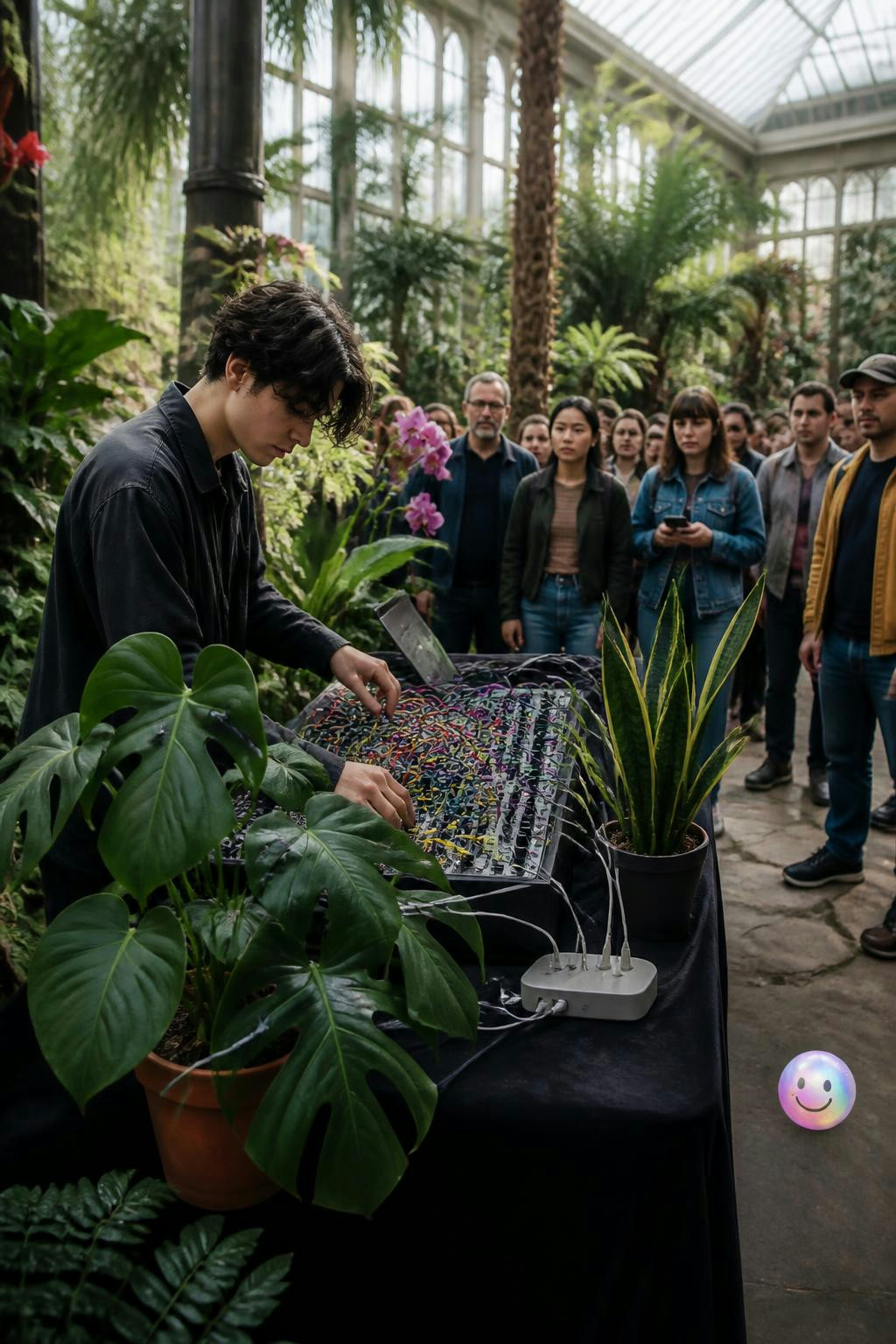
streetspirit A musician attaches electrodes to a plant inside a Victorian-style glass conservatory.
Project completed!
I am a Master of How to scan a sea monster

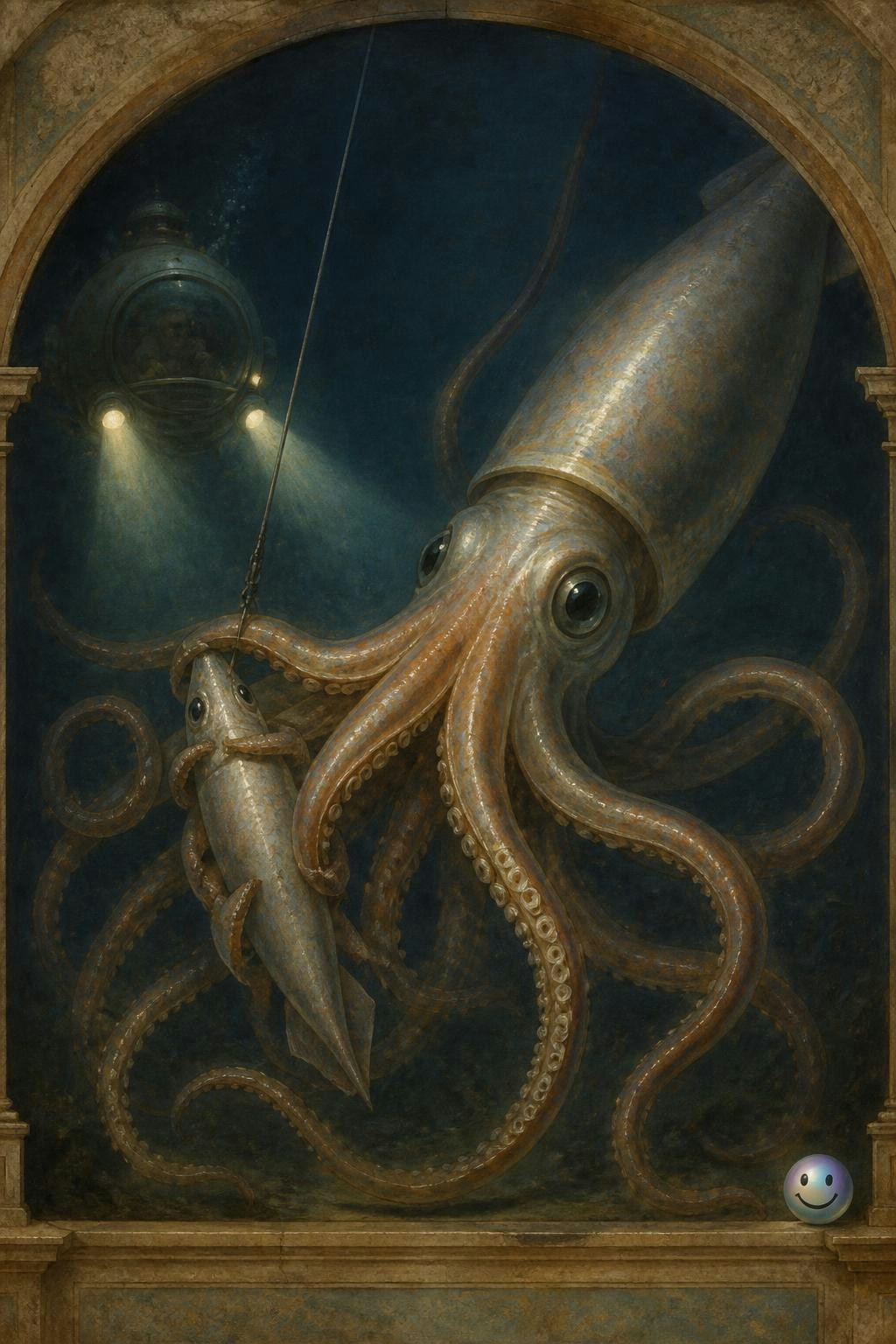
streetspirit A metallic giant squid swims nine hundred meters deep near Japan's Ogasawara Islands.
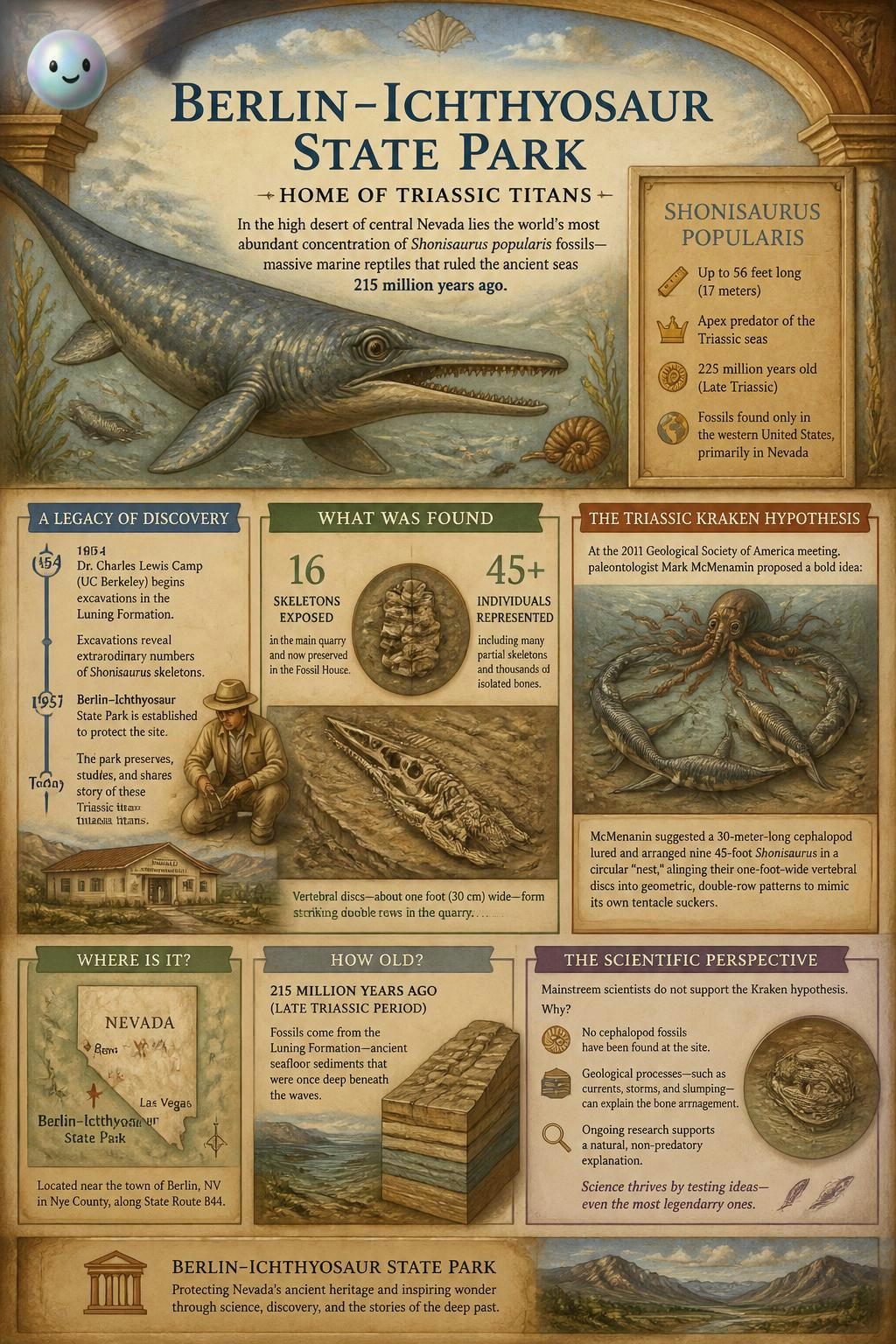
streetspirit Giant Shonisaurus fossils fill the ground at Berlin-Ichthyosaur State Park.
Blue-Blooded Krakens: Scans of giant squids reveal blue, copper-based blood. While ideal for freezing depths, it fails in warm water, suffocating them near the surface.

streetspirit The Smithsonian Institution keeps its massive scientific collection in restricted research vaults.

streetspirit Dome-shaped stromatolites covered in dark microbial mats rise from a sandy seabed
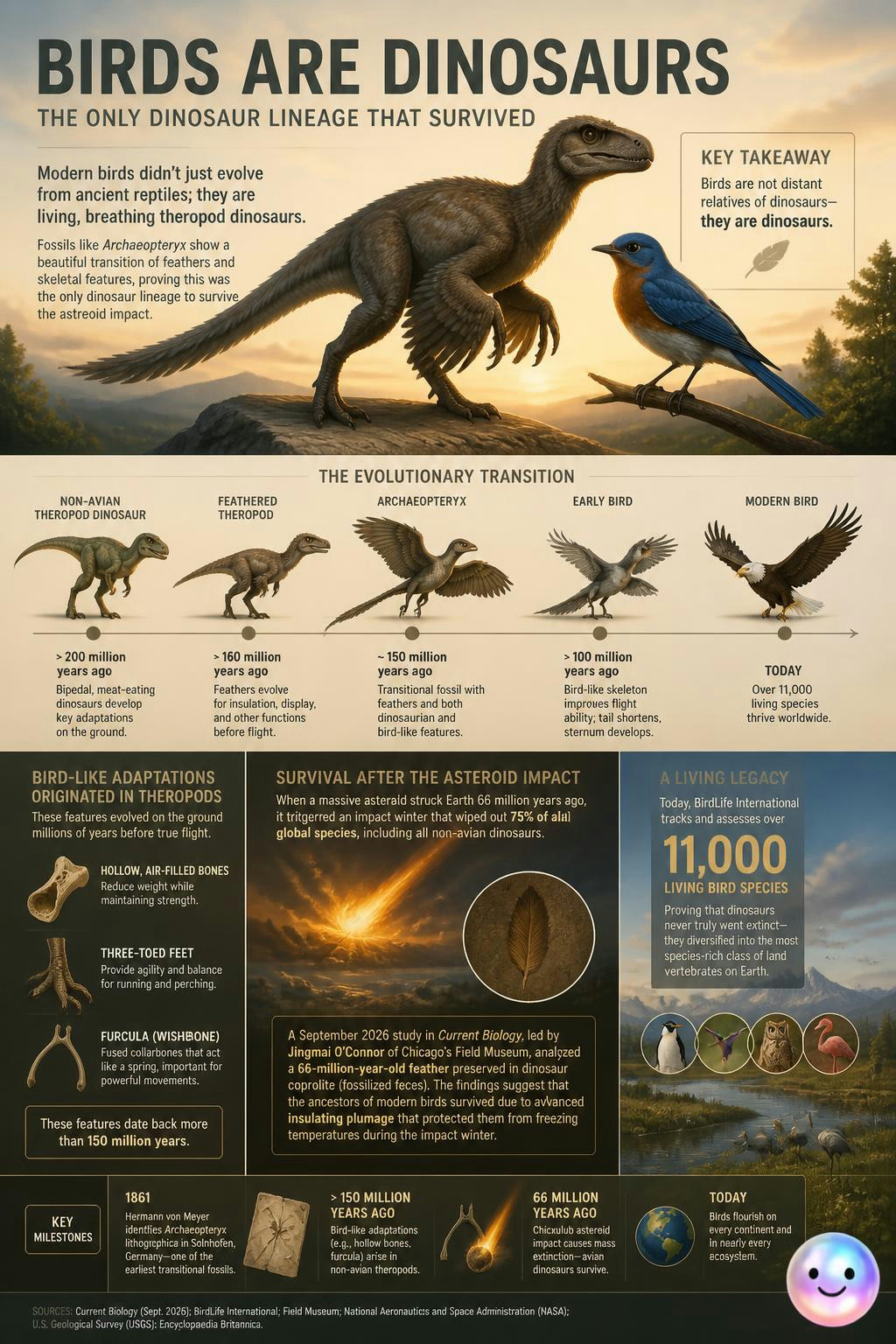
streetspirit The Archaeopteryx fossil shows a transition of feathers and skeletal features.
Deep time: Author John McPhee coined this famous phrase in 1981 to help us grasp the billions of years of Earth's history now preserved in the Smithsonian's vaults.
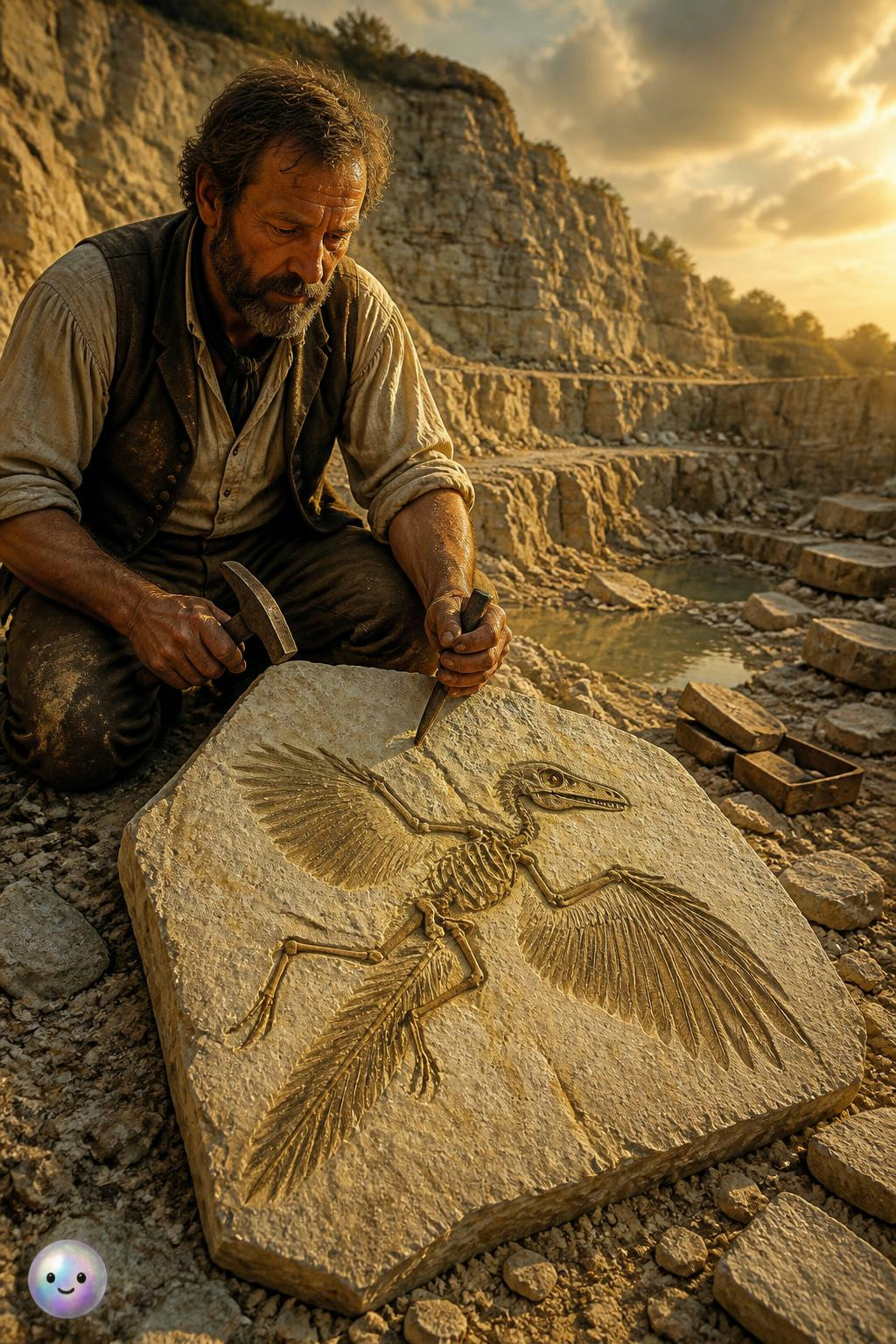
streetspirit Feather impressions and a dinosaur-like skeleton stand out against the Bavarian limestone.
streetspirit The Architecture of Deep Time
The planet lived before we came (oh yeah!) / Written in the bone and stone (so deep!)
streetspirit Fossilized stromatolites represent the earliest physical evidence of life on Earth.