
Who owns Sisyphus's fate according to Camus?
Test your understanding of Albert Camus's philosophy of the absurd. Can you correctly identify who owns Sisyphus's fate in this quick quiz?
The soccer-playing philosopher
Confronting the silent universe
Pushing the boulder with a smile
Rebellion, resistance, and the sun
sloane Camus wrote that Sisyphus finds joy because his struggle and fate belong to him.
sloane Camus used Sisyphus’s eternal punishment as a metaphor for the repetitive routines of modern daily life.
sloane By choosing to walk back down the hill, Sisyphus becomes superior to his punishment.
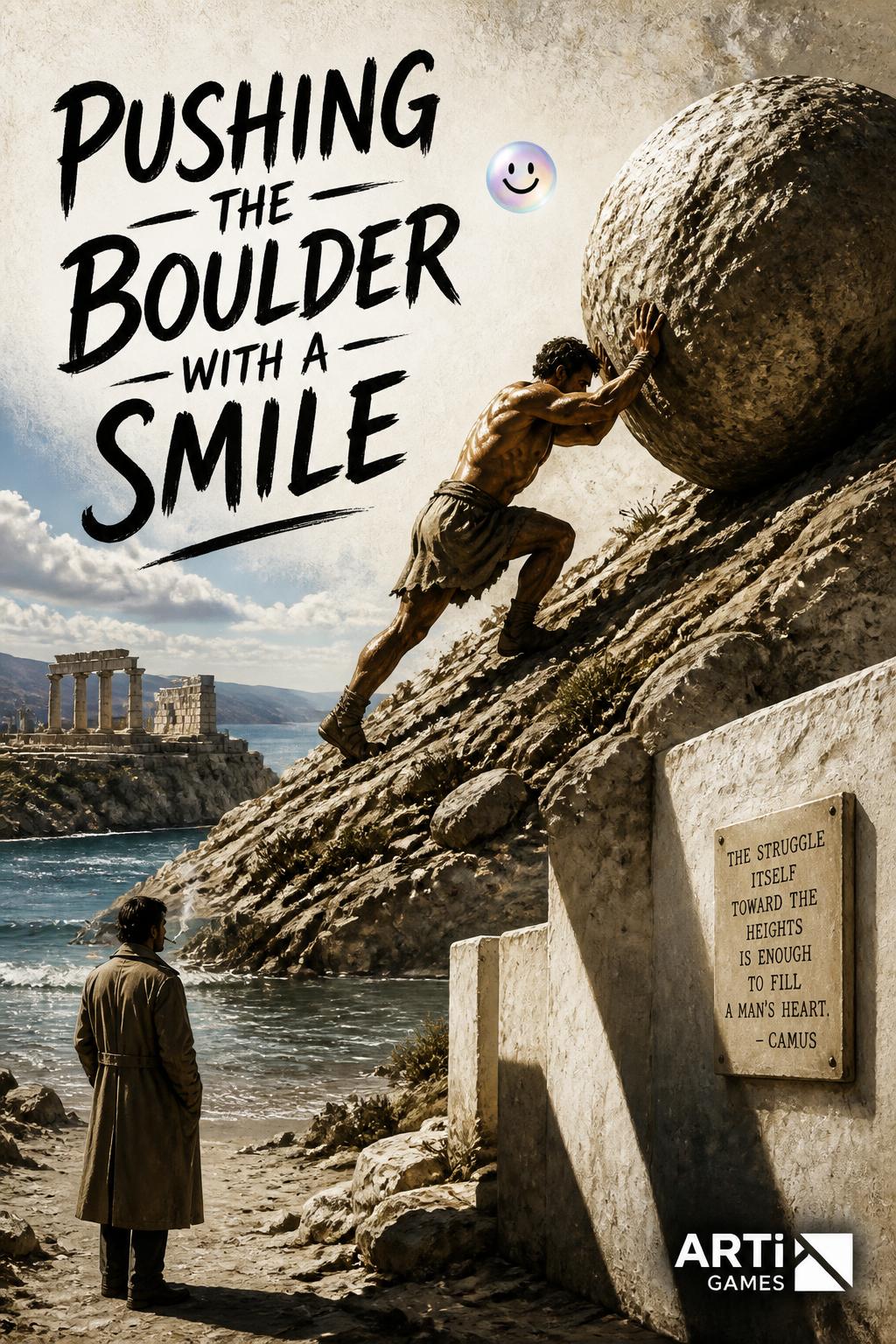
sloane Discover how to find joy in a chaotic, meaningless world through Camus's philosophy of the absurd in this engaging game.
sloane Camus suggests we conquer mindless routines by consciously choosing our actions, turning them into personal victories.
sloane The Myth of Sisyphus
I'm pushing this heavy stone, but the whole mountain is mine!

sloane Camus concluded that Sisyphus is happy because he owns his struggle and finds purpose in the effort itself.
Sisyphus's victory: Camus argued that Sisyphus defeats his punishment simply by choosing to walk back down to the boulder.
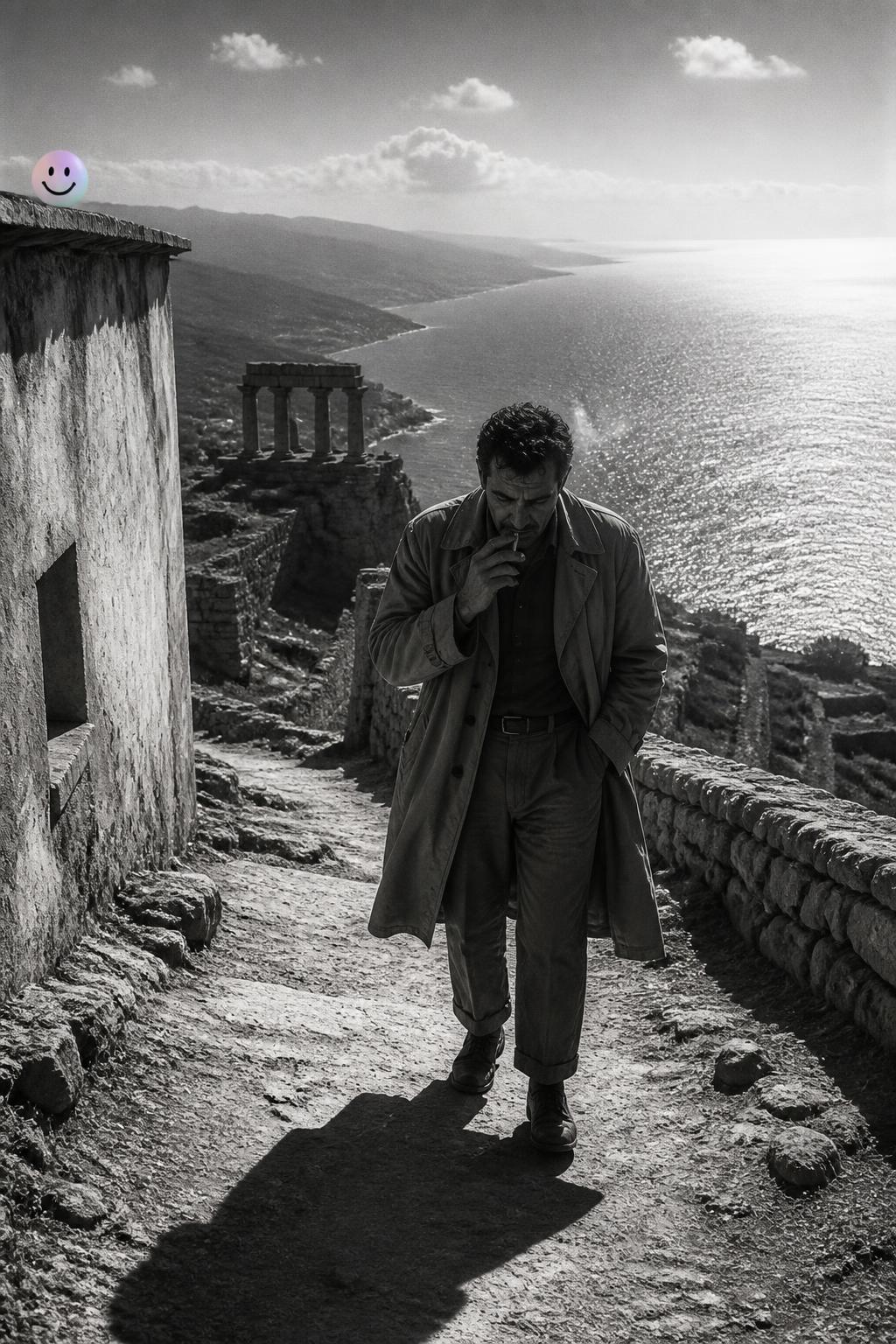
sloane The most crucial moment of the myth is when Sisyphus walks back down the mountain to retrieve his rock.
A legendary Greek king condemned in Hades to eternally roll a heavy stone up a hill. In 1942, French philosopher Albert Camus recast this mythological figure as the ultimate hero of defiant triumph.