

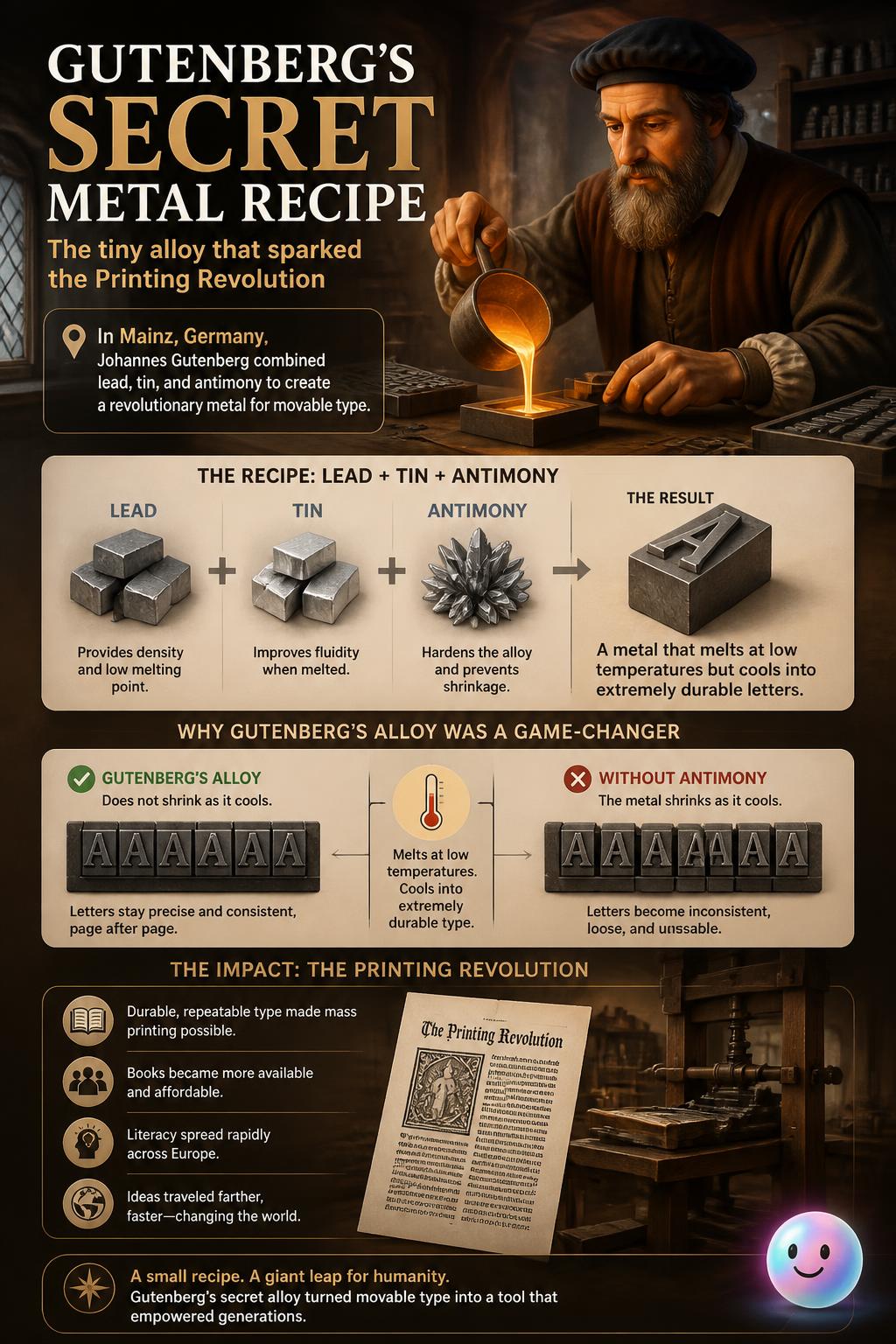
Gutenberg's Secret Metal Recipe for Printing
In 1450, Johannes Gutenberg perfected a secret metal alloy that made mass-producing books in Europe possible.
Chapter 1
The global race to press print
Chapter 2
The secret anatomy and psychology of letters
Chapter 3
Fonts that rule our streets and skies
Chapter 4
The modern battles of digital type
Ch 1 · The global race to press print
streetspirit Song Dynasty artisans assembled reusable clay characters in iron frames to print books.
Glossary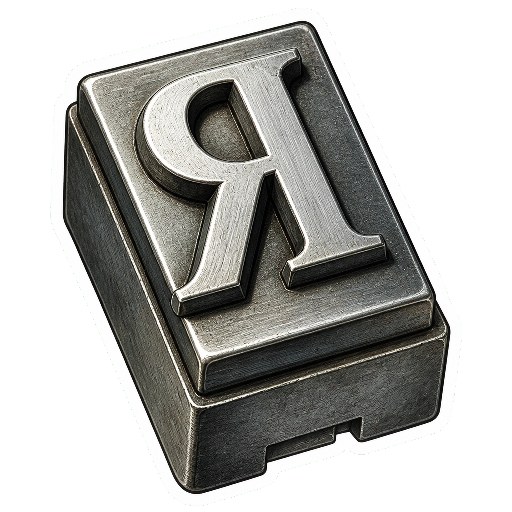
type metal (noun)
A durable alloy of lead, tin, and antimony used to cast reusable printing letters. Gutenberg's secret recipe melted quickly and cooled without shrinking, keeping characters sharp. Think of it as a reusable metal letter stamp!
A durable alloy of lead, tin, and antimony used to cast reusable printing letters. Gutenberg's secret recipe melted quickly and cooled without shrinking, keeping characters sharp. Think of it as a reusable metal letter stamp!
Fun Fact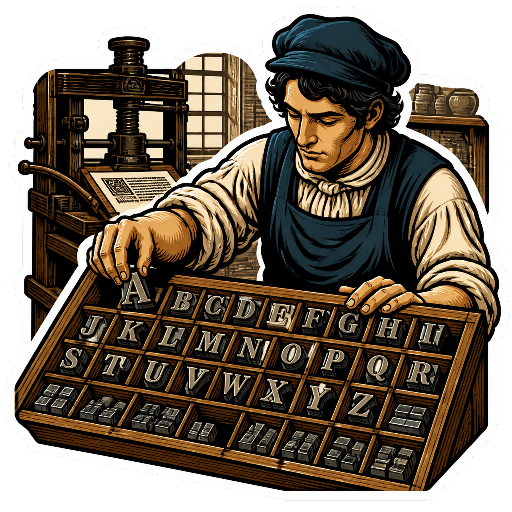
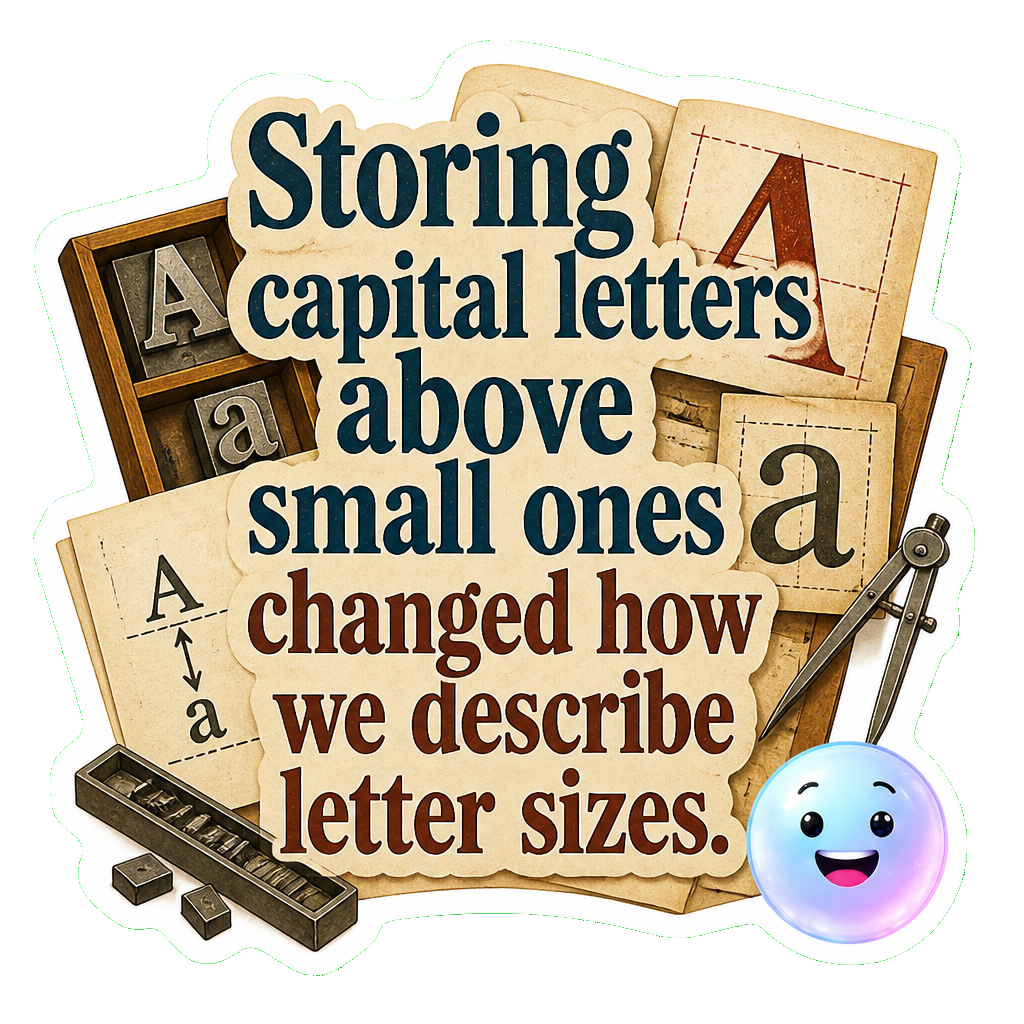
Letter Cases: Early printing press typesetters stored capital letters in the upper physical case and small letters in the lower case, creating the terms 'uppercase' and 'lowercase'.
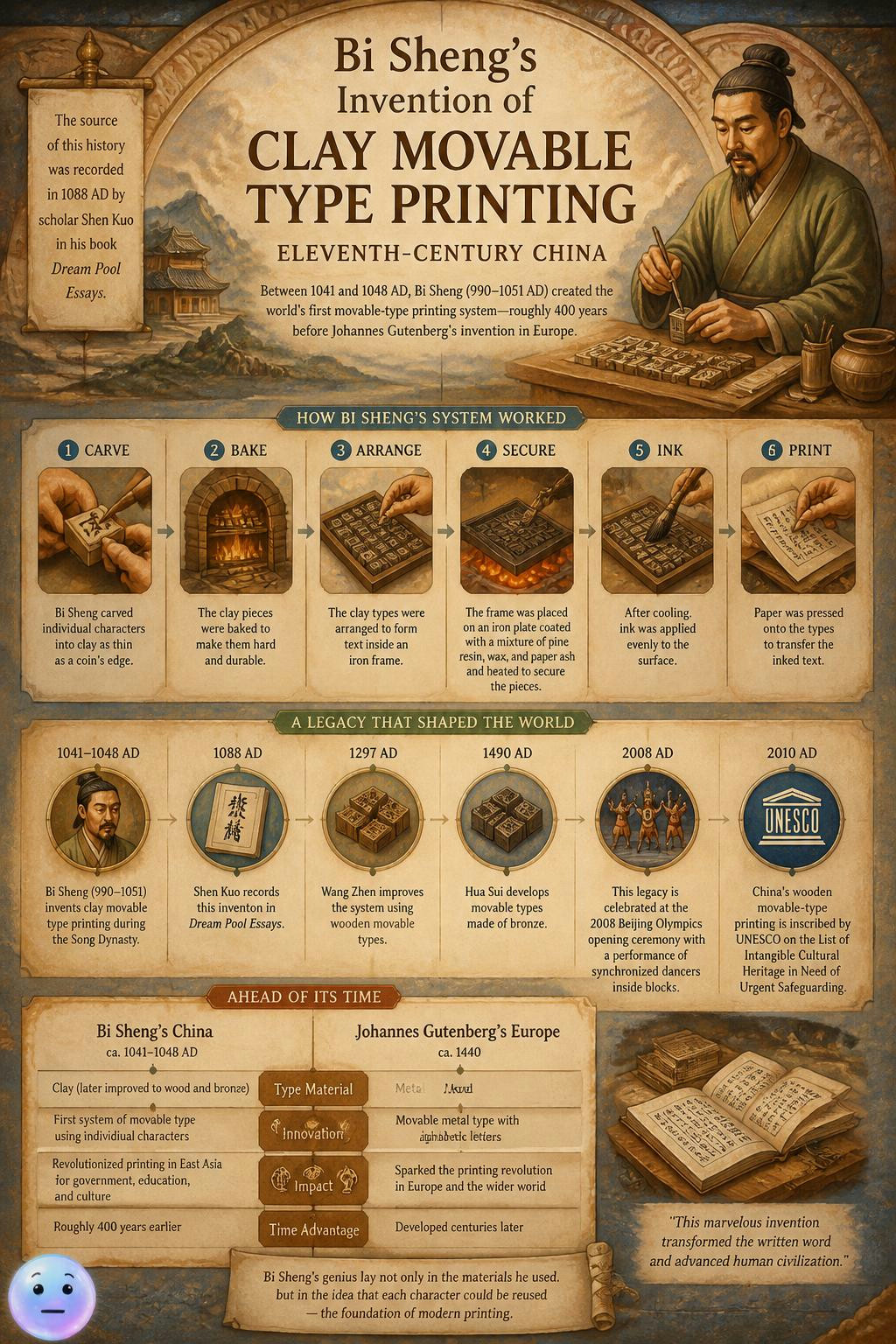
streetspirit During the Song Dynasty, Bi Sheng carved coin-thin individual characters into clay, a process recorded in Dream Pool Essays.
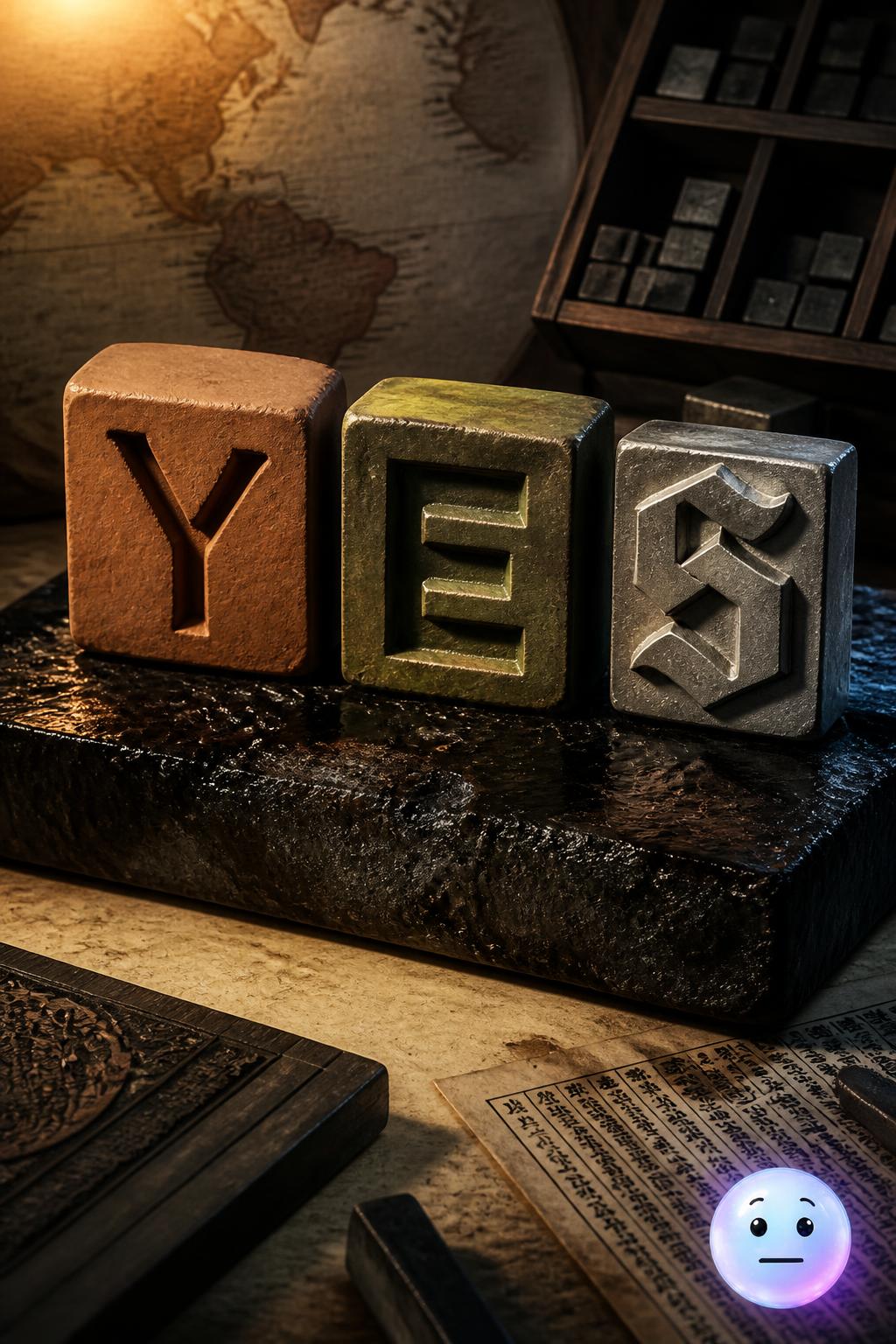
neshiajoseph Movable type in 1450 capitalized on how human brains instantly recognize positive words

neshiajoseph The 1400s printing boom forced human minds to build entirely new reading circuits.
streetspirit The Global Printing Race
Printed first, printed first, Korea did it seventy years before!
streetspirit In Mainz, Germany, Gutenberg mixed lead, tin, and antimony to cast durable letters that did not shrink. This secret recipe launched the European printing revolution.
streetspirit In 1450, Johannes Gutenberg perfected a secret metal alloy that made mass-producing books in Europe possible.
Fun Fact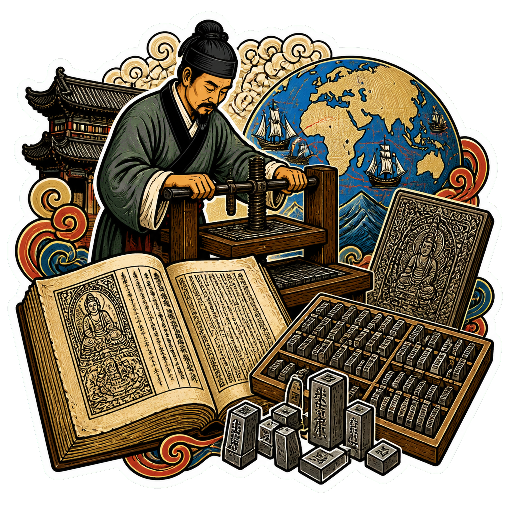
Ancient metal type: The world's oldest surviving book printed with movable metal type was produced in Korea in 1377, decades before Gutenberg.
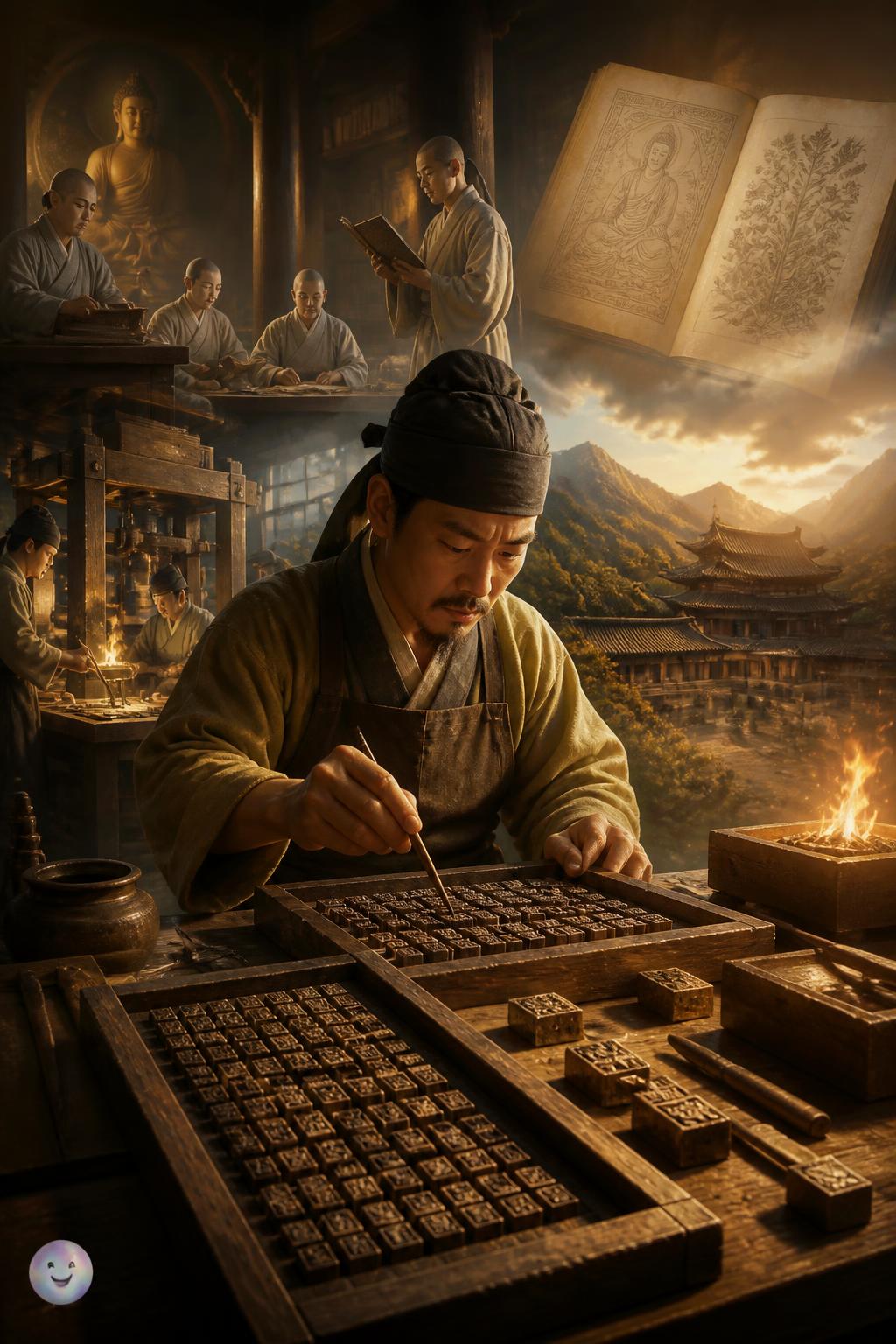
streetspirit In 1377, Korean monks printed the Jikji, the world's oldest surviving book made with movable metal type.
Glossary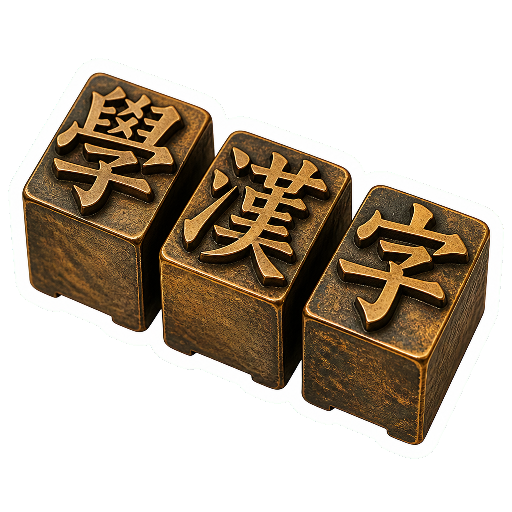
movable type (noun)
A system of printing and typography that uses individual, reusable components to reproduce the elements of a document. Korea developed the world's first metal movable type in 1234, over two centuries before Gutenberg's European press.
A system of printing and typography that uses individual, reusable components to reproduce the elements of a document. Korea developed the world's first metal movable type in 1234, over two centuries before Gutenberg's European press.
Quiz
Which three metals did Johannes Gutenberg combine to create his revolutionary printing alloy?
BETA
streetspirit Arrange the metal letters to discover how typography secretly shapes the way we think.
streetspirit The Chinese inventor carved individual characters into fragile clay, baked them, and arranged them on waxed iron plates. This method allowed quick text updates centuries before European presses.
Quiz
Which city became the global capital of printing and type design in the late 15th century, producing the first Roman typefaces?
streetspirit Goryeo Dynasty printmakers created the Jikji using cast-bronze type seventy-eight years before Gutenberg's Bible. This metallurgy breakthrough transformed East Asian book production.
Quiz
In traditional letterpress printing, what hard metal is used to carve the original master model of a letter?