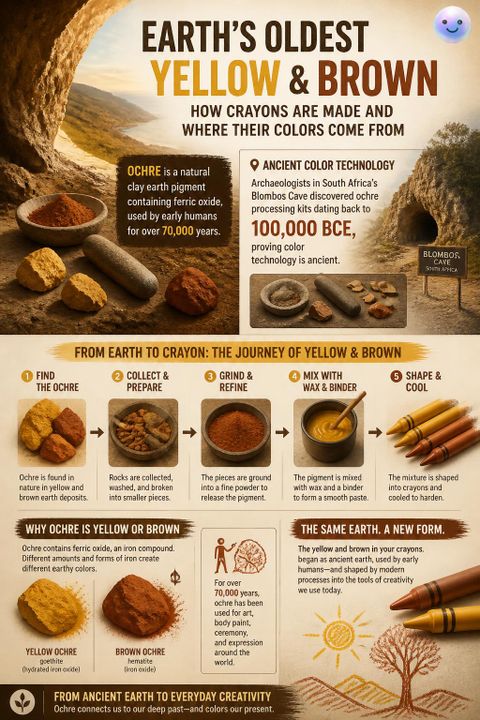
Earth's oldest yellow and brown
Clay rich in iron oxide provided humanity with its very first artistic palette.
Chapter 1
From petroleum to paste
Chapter 2
Nature's ancient paintbox
Chapter 3
The science of synthetic shades
Chapter 4
How crayons conquered the classroom
Ch 2 · Nature's ancient paintbox
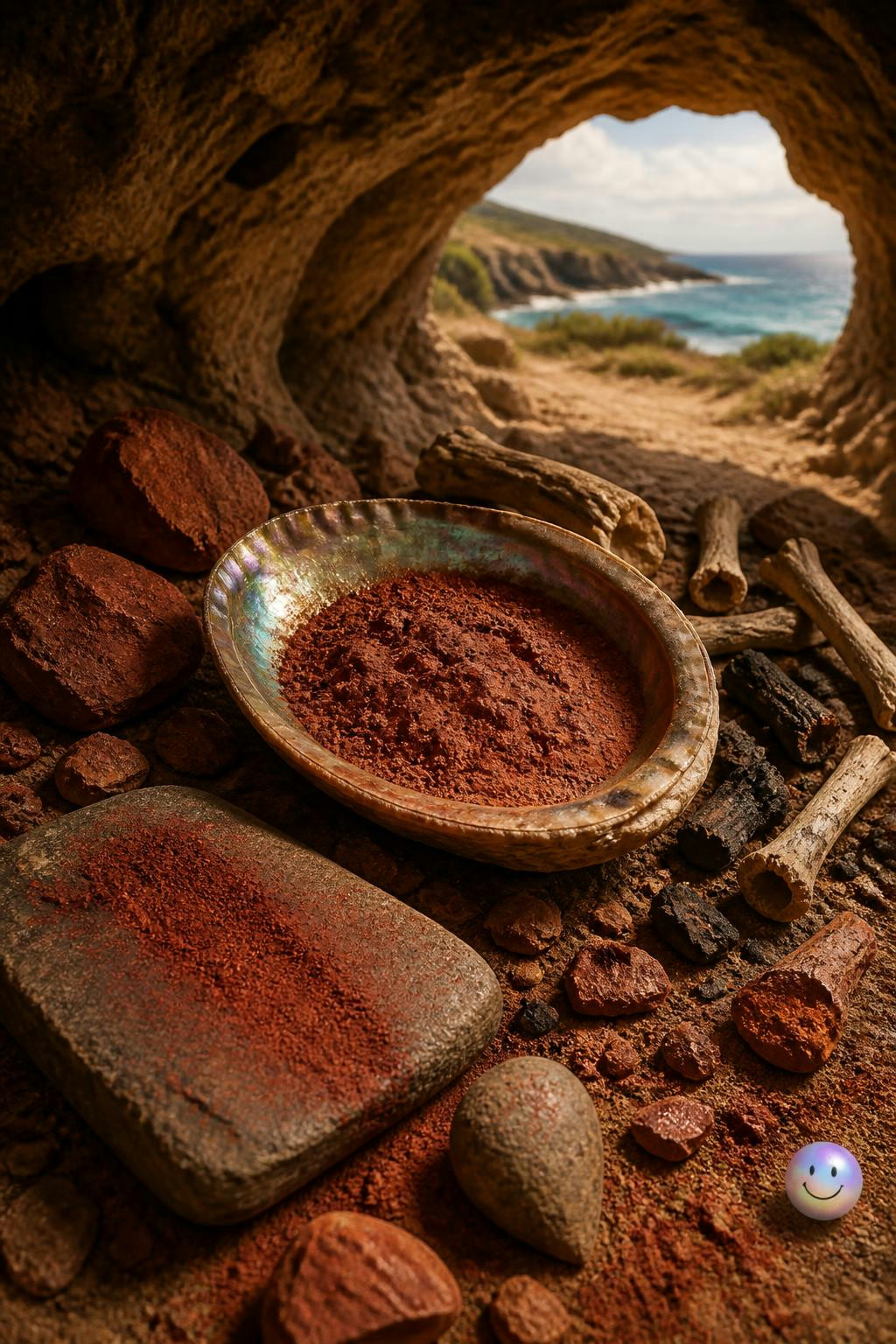
streetspirit Before crayons, humans mixed red ochre and bone charcoal inside this ancient shell.
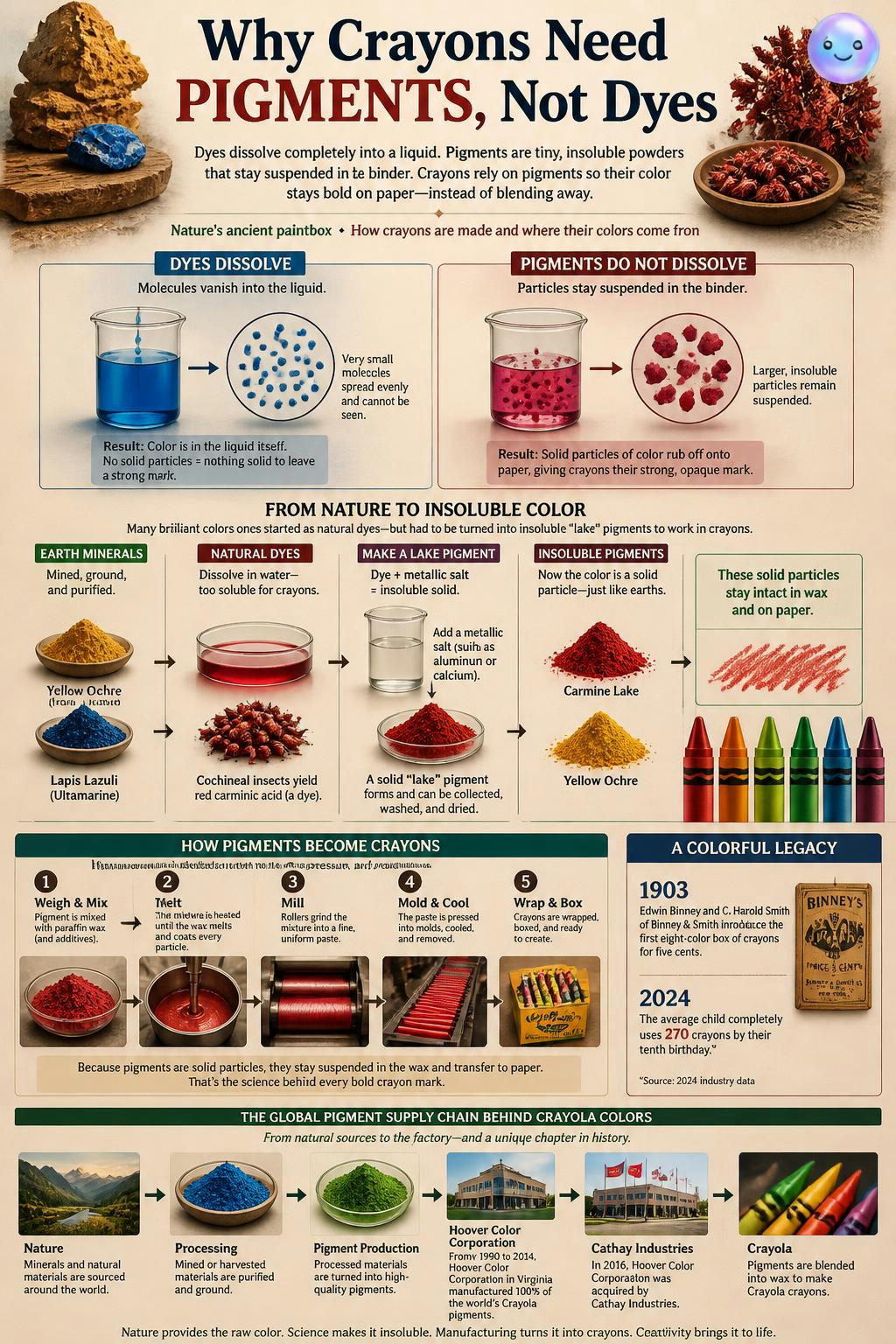
streetspirit See how ancient earth pigments stay suspended in wax to leave bold marks.
Glossary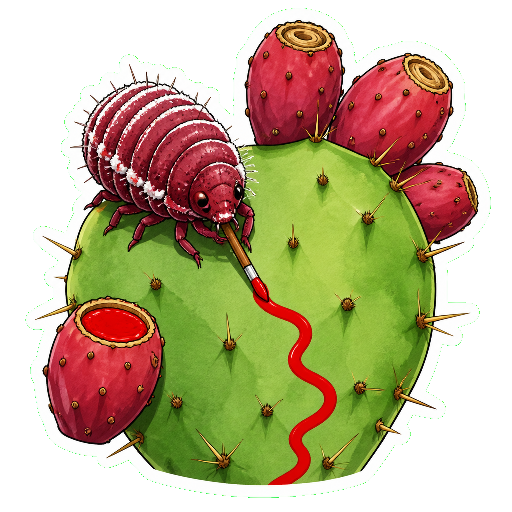
cochineal (noun)
A tiny insect found on prickly pear cacti that is dried and crushed to create a brilliant, durable red dye. Long before modern wax crayons, these little bugs provided the secret ingredient for some of the world's most vibrant red art supplies.
A tiny insect found on prickly pear cacti that is dried and crushed to create a brilliant, durable red dye. Long before modern wax crayons, these little bugs provided the secret ingredient for some of the world's most vibrant red art supplies.
Fun Fact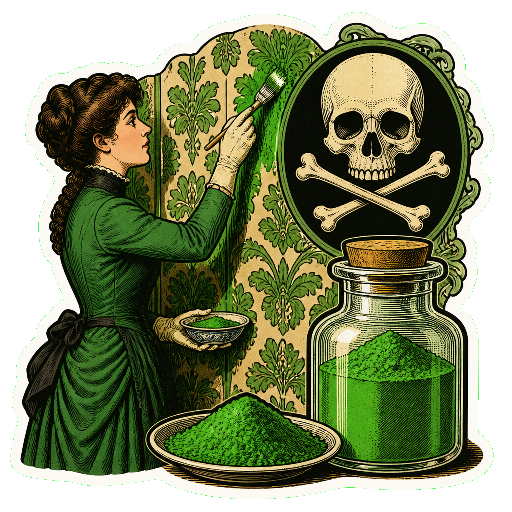
Deadly green pigment: Long before safe crayons, Victorian wallpaper used toxic arsenic. This beautiful color is rumored to have slowly poisoned the exiled French Emperor Napoleon!

misslily Crayon Colors
We mix the hot wax with the iron rust, making every color that we draw today

misslily Clay rich in iron oxide provided humanity with its very first artistic palette.
Fun Fact
Priceless blue: Ultramarine blue made from lapis lazuli was so expensive in the Renaissance that Michelangelo left paintings unfinished when he couldn't afford it.

Glossary
ochre (noun)
An earthy pigment containing ferric oxide and clay, typically varying from light yellow to brown or red. In Italy's Valle Camonica, author Victoria Finlay discovered a piece of this pigment dating back 5,000 years.
An earthy pigment containing ferric oxide and clay, typically varying from light yellow to brown or red. In Italy's Valle Camonica, author Victoria Finlay discovered a piece of this pigment dating back 5,000 years.
Quiz
Which tiny insect harvested in Peru and Mexico is used to make brilliant red carmine dye?
Quiz
What rare blue stone mined in Afghanistan was ground up to make ultramarine pigment?
Quiz
Why did 19th-century artists and manufacturers stop using the pigment known as Scheele's Green?